EASA-Certified
·
500+ Projects
·
2-Day Turnaround
Utility & Infrastructure

Drone Utility &
Power Line Inspections

Aerial inspection of high-voltage transmission lines, distribution networks, pylons, and utility corridors using EASA-certified drones. LiDAR vegetation clearance analysis, thermal hotspot detection, and structural condition assessment without line shutdown or access equipment.

Inspection pricing from €900 per day

Last updated: April 2026

EASA Certified
LiDAR Clearance Analysis
No Line Shutdown Required
INSPECTION ACTIVE
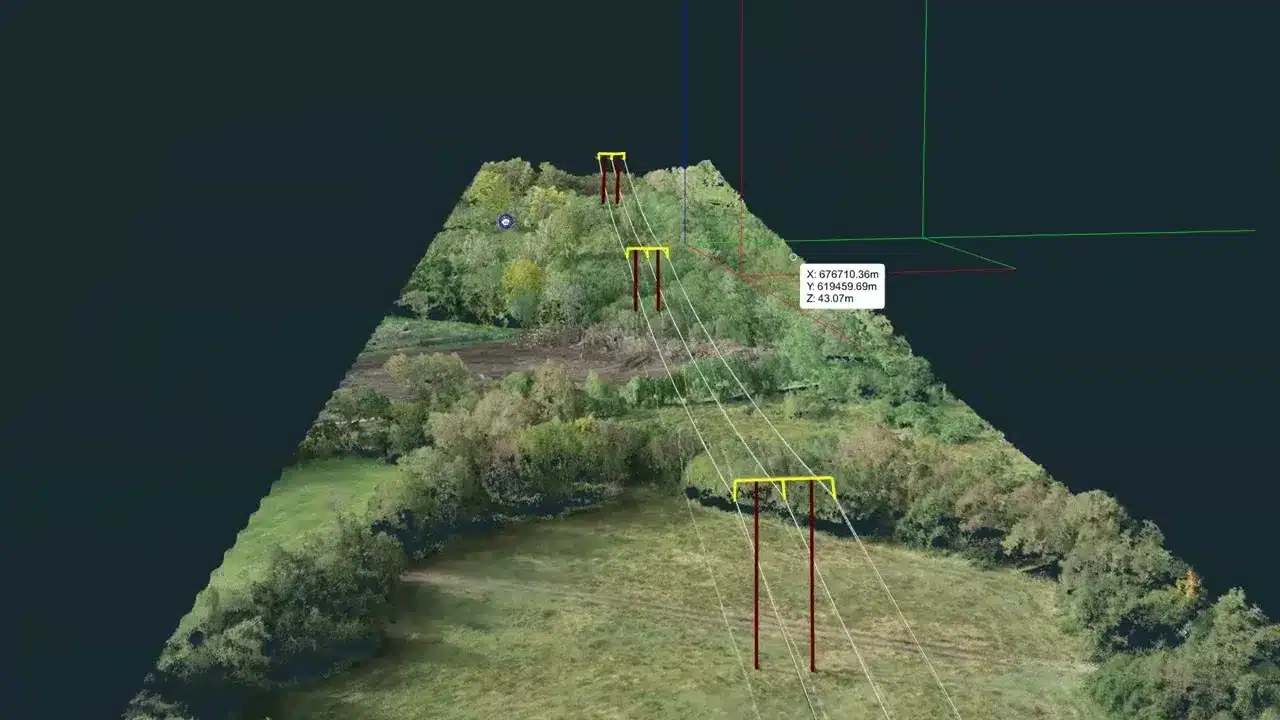
Drone LiDAR 110kV power line pylon point cloud survey in Ireland
EASA & IAA
Certified Operators
€6.5M
Public Liability Insurance
500+
Projects Nationwide
Since 2016
Ireland’s Longest-Serving
2-Day
Turnaround on Reports

Key Deliverables

Comprehensive utility inspection data for asset management, vegetation management programmes, and regulatory compliance.

LiDAR Corridor Survey

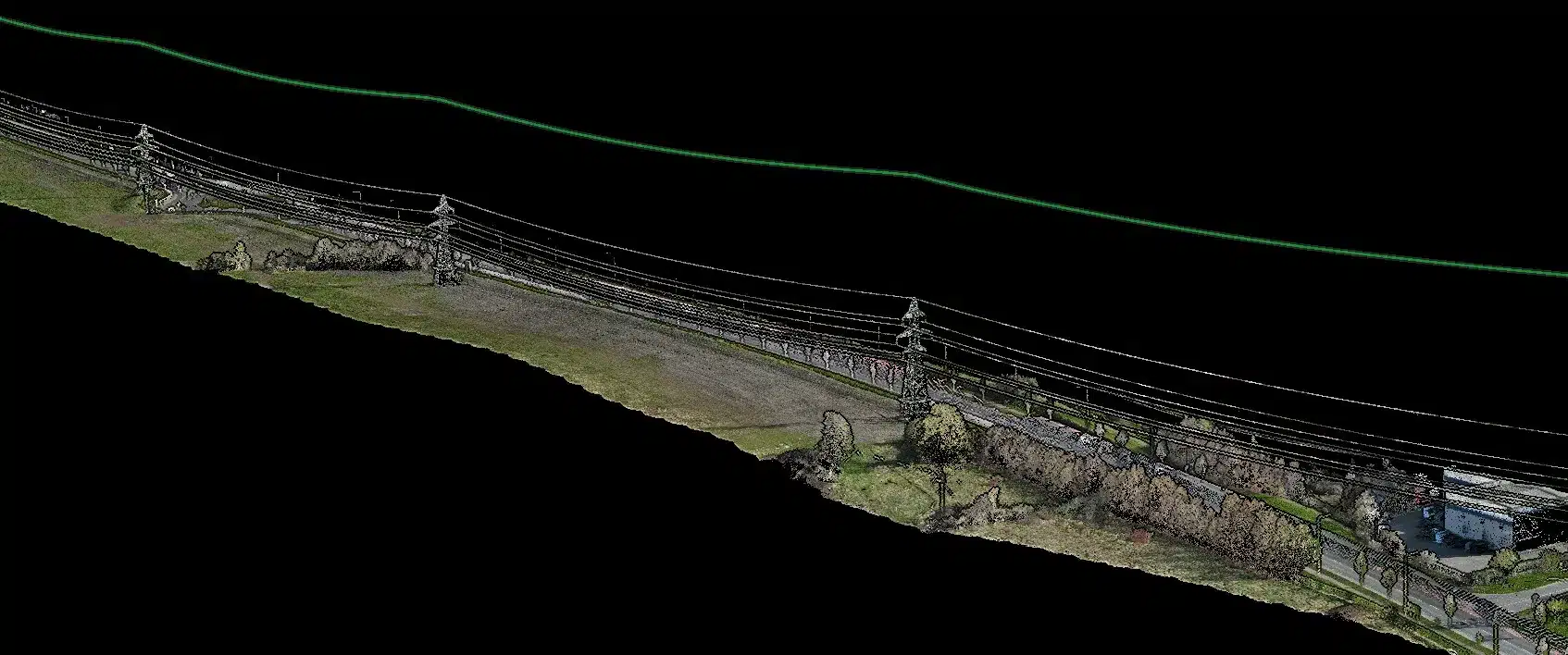
Dense LiDAR point cloud of the full transmission or distribution corridor, classified into ground, vegetation, and structure returns for clearance analysis and conductor sag modelling.

Vegetation Clearance Report

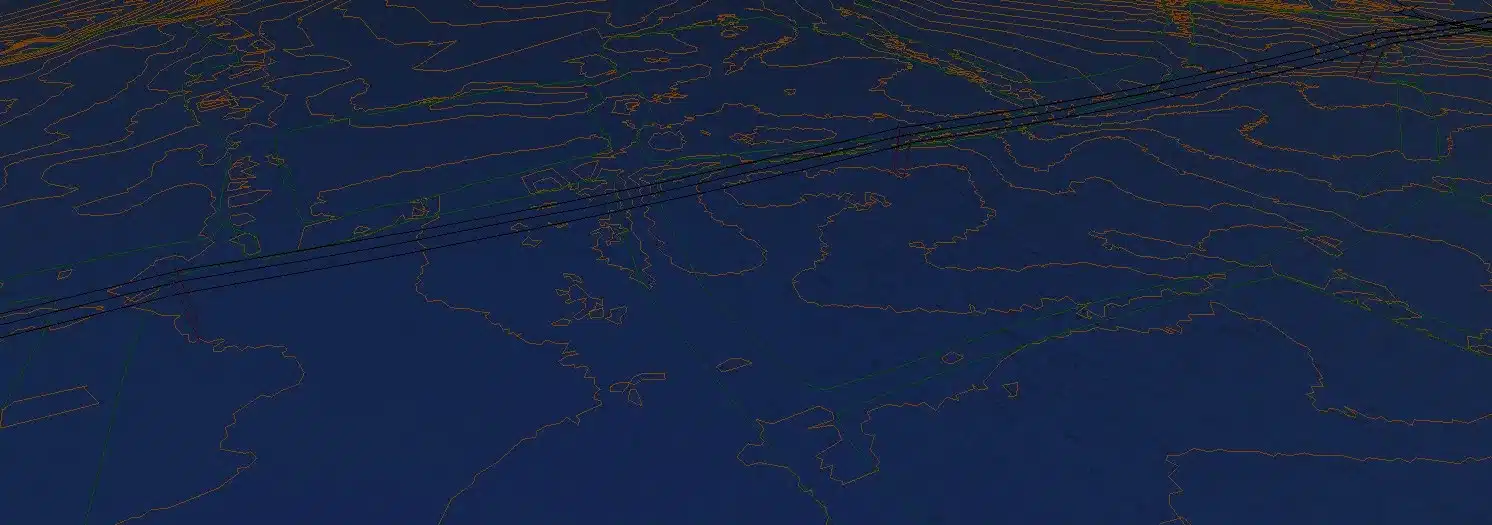
GIS analysis identifying all vegetation encroaching within statutory clearance distances, prioritised by severity and mapped for vegetation management contractors.

Thermal Inspection Report

Radiometric thermal survey identifying hotspots on conductors, joints, insulators, and fittings – indicating resistance faults before they become failures.

Structure Condition Report

Visual condition assessment of pylons, poles, cross-arms, insulators, and earthing conductors – with defect classification and maintenance priority ratings for each structure.

Conductor Sag Analysis

LiDAR-derived conductor positions and sag measurements at each span, enabling comparison against design parameters and identification of spans approaching minimum clearance.

GIS Asset Dataset

Georeferenced asset register of all structures, spans, and identified defects in GIS-ready format for integration with network management systems and SCADA platforms.

Transmission, Distribution,
or Telecom Infrastructure?

We inspect 110kV and 220kV transmission lines, MV distribution networks, telecom mast arrays, and pipeline corridors. EASA Specific Category authorisation covers operation along live networks without shutdown.

LiDAR
Clearance Analysis
Zero
Line Shutdown
Thermal
Hotspot Detection
GIS
Asset Dataset

How We Inspect Utility Corridors

A structured multi-sensor approach combining LiDAR, thermal, and visual inspection in a single corridor pass.

01

Corridor Planning & Airspace

Transmission and distribution lines frequently pass through controlled airspace near airports and through populated areas. We manage all airspace notifications through the IAA as part of our EASA Specific Category authorisation. Flight planning accounts for the corridor geometry, structure locations, and any access constraints on the ground.

02

LiDAR Corridor Pass

The primary survey pass uses the Zenmuse L2 LiDAR sensor flown at low altitude along the corridor centreline to capture the conductor positions, structure geometry, and surrounding vegetation. Multiple passes with cross-track coverage ensure complete point cloud data across the full corridor width required for clearance analysis.

03

Visual & Thermal Inspection

A second pass at lower altitude captures close-up HD visual imagery of each structure and the Zenmuse H20T thermal sensor identifies conductor and fitting hotspots. Each pylon or pole is given a unique identifier and photographed from multiple angles. Defects are logged and referenced by structure number for the final report.

04

Analysis & Report Delivery

LiDAR data is processed to classify conductors and vegetation, calculate clearance distances, and identify encroachments. The vegetation clearance report, thermal hotspot report, and structure condition report are delivered within 48 hours alongside the GIS dataset in the client’s preferred format. All data is compatible with ESB Networks, EirGrid, and Uisce Eireann asset management standards.

What Utility Inspection Data Looks Like

LiDAR point clouds of power line corridors, vegetation clearance analysis, and close-up inspection imagery of pylons and fittings.

Drone LiDAR classified point cloud of power line corridor showing conductors and vegetation
Classified LiDAR point cloud of power line corridor showing conductors, pylons, and encroaching vegetation
Drone LiDAR vegetation clearance survey along power line corridor in Ireland
LiDAR vegetation clearance analysis identifying encroachments within statutory distances
Drone survey of power line vegetation management in Ireland
Aerial overview of power line vegetation management survey showing corridor and tree clearance requirements

Why Utility Operators Choose DSI

EASA-certified, comprehensively insured, and equipped with the LiDAR and thermal sensors required for professional utility corridor inspection.

EASA Specific Category
Essential for utility inspection – authorising operation near live infrastructure, in controlled airspace, and over populated areas along transmission and distribution routes.
€6.5M Public Liability
Full insurance required by ESB Networks, EirGrid, and major utility contractors. Certificate and policy documentation available for tender submissions.
Zenmuse L2 LiDAR
High-pulse-density LiDAR enabling conductor position measurement and vegetation clearance analysis to the accuracy required for transmission line asset management.
Operating Since 2016
Inspecting Irish utility infrastructure since 2016. Experience across ESB Networks distribution, EirGrid transmission, Uisce Eireann pipeline corridors, and telecom tower estates.

Frequently Asked Questions

Everything you need to know about our drone utility and power line inspection service.

No. Drone inspection of live transmission and distribution lines does not require de-energisation or line shutdown. Our pilots maintain safe separation distances from conductors at all times. The inspection is carried out under our EASA Specific Category authorisation which covers operation near live electrical infrastructure.
Our LiDAR system measures vegetation and ground clearance distances to ±10cm accuracy – sufficient for identifying encroachments against the statutory minimum clearances defined in ESB Networks and EirGrid network standards. The classified point cloud identifies every tree and structure within the corridor and calculates the clearance distance to the nearest conductor at each point.
For LiDAR corridor surveys we typically cover 15-25km of line per day depending on terrain complexity, number of structures, and access constraints. Visual and thermal inspection adds additional time per structure. For large transmission line programmes we plan multi-day mobilisations with consistent crew and equipment across the full route.
Yes. We deliver GIS datasets in Shapefile, GeoJSON, and DXF formats compatible with standard utility GIS platforms. Point cloud data is delivered in LAS/LAZ format. We can adapt the report format and data schema to match the client’s existing asset management system requirements.
For underground cable routes we provide corridor surveys documenting ground conditions, access track condition, and any third-party encroachments above the cable route. We also combine this with LiDAR terrain modelling for routes where ground movement or subsidence monitoring is required.

Get a Quote for Your Utility Inspection

EASA-certified pilots, Zenmuse L2 LiDAR, and 48-hour delivery. Tell us your corridor length and requirements and we’ll provide a fixed-price quote within 24 hours.

Get a Quote for
This Service

Tell us about your project and we’ll respond within 24 hours with a detailed quote.

Free quote within 24 hours
No obligation, no hidden costs
EASA & IAA certified operators
Or call us now: 087 205 2331

Ready to Get Started?

Get a fixed-price quote within 24 hours. No obligation, no hidden costs.

Fixed pricing, no surprises
We handle all permissions
Deliverables in 2 days
Call Now Get a Quote